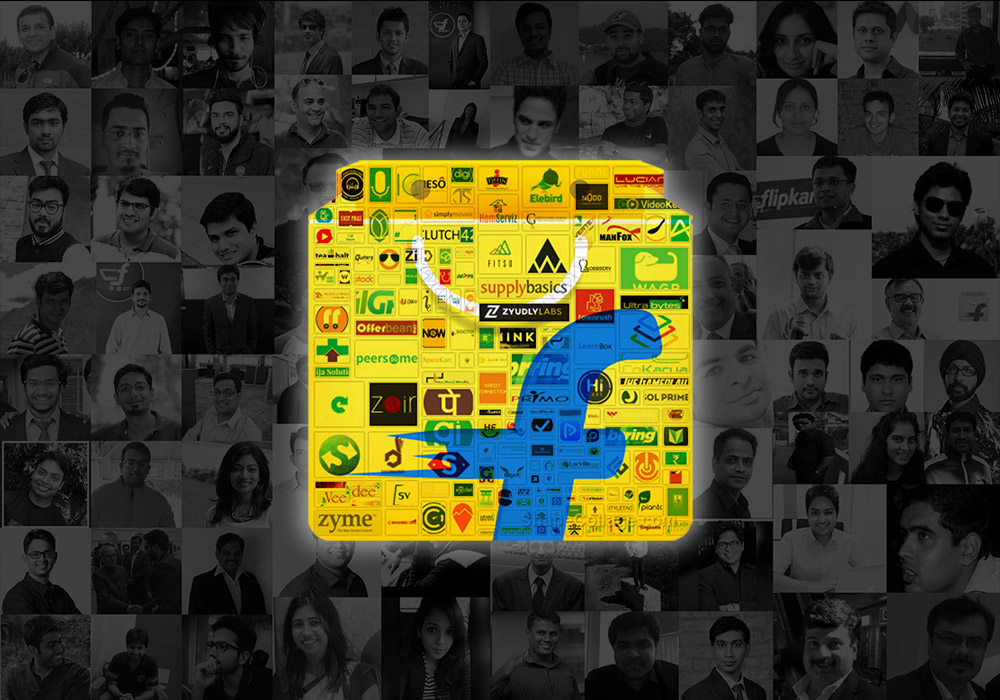
Just like Flipkart, the base of most of these companies isBengaluruie 59% of all the Flipkart Mafia companies are based in Bengaluru, followed by 15% in Delhi-NCR.
Where The Flipkart Mafia Is Right Now
Of the total number of companies, about eight startups have already been acquired. Significant deals include Flipkart itself acquiring PhonePe, Capillary Technologies acquiring Sellerworx, Indonesia's Go-Jek acquiring Pianta, Stayglad acquired by Quikr, among others.
While 207 sounds like a huge number, it is to be noted that around 59 of these startups have already shut shop. And, out of these, just 10 startups were funded.
Around 59 of these startups have already shut shop!
Seth defends this failure rate by pointing that a number cannot speak to the value Flipkart and its ecosystem holds. “The core point is commerce and ecommerce companies are still in the early stages. With 2% penetration, if you look at most categories, they are still very decent.” He also adds that there is a process of discovery involved in this and that it is the bigger companies who are making these discoveries – either through employees or employees starting up. “They are experimenting and I am not surprised at all because that is the nature of this company.”
However, one could point out here that the failure rate is much lower than the well-known failure rate of 90% across the startup world and argue that founder experience could have possibly contributed towards this.
A Culture That Matters
“Defining the DNA of a startup's work culture is a lot like choosing parents for a designer baby. It's not merely about whose nose or whose eyes it would inherit, but about selecting the core personality traits that would propel it to greatness and then be passed down its flawless bloodline. Flipkart's early leaders and their decisions defined the Flipkart culture,” reads a recent blog on Flipkart Stories.
For people who have worked at Flipkart in the past and who are still part of the company, the culture at Flipkart is more about freedom, ownership and responsibility . Mekin, who founded Udhyam post his stint at Flipkart, says, “People often shoulder responsibilities much larger than their titles and experience. This freedom and responsibility have nurtured a lot of talent. People become confident of their abilities to create value. Initiative-taking is recognised and rewarded. On Flipkart's part – it has shared ownership with employees far more than Indian startups still do – so, this two-way ownership street is the core of Flipkart's culture.” Mekin had joined Flipkart in 2009 as Head of Engineering and then became the Chief People Officer in 2013. He left the company in 2016 to begin his venture.
Another Flipster, Rajeev Tamhankar’s entrepreneurial journey started with INR 1 Lakh raised via crowdfunding, primarily from his colleagues at Flipkart. For him, the culture at Flipkart was somewhat like “Startups in a startup!” He says, “It's a very upfront culture, a graduate like me got a chance to work on 35 different verticals. The team has been very supportive of fresh ideas. Many companies do not support an employee's initiative but being at Flipkart was an exception.” He founded TBS Planet Comics and also wrote a book “Get Corporated Before You Get Fired.” Rajeev was Manager at Flipkart during July 2014 to July 2015.
Even former Manager – Digital Marketing at Flipkart Advaith Mohan who founded Wagr, post-leaving Flipkart shares that the heads and bosses he worked with, helped him in figuring out who he should approach startup, in general. “People like PMOs are really approachable and will talk to you even after you quit the company and are really appreciative of that.”
It's a culture which lets people think big!
Ankit Nagori, who joined Flipkart in 2010, reveals the best thing about Flipkart's culture for him. “Flipkart has a very strong entrepreneurial culture which lets people experiment and learns from their mistakes. It inspires them to think differently and that's the reason so many people went on to start up.” To sum it all he says, “It's a culture which lets people think big.”
Similar thoughts were opined by Aravind Sanka. As per him, Flipkart's culture is very dynamic and aggressive and they always encourage in changing roles – if anyone wants to explore different skills to what he is doing, there is no resistance . “On a lighter note, though I was one of the important members of my team, when I said “I want to quit to start something”, my manager approved it immediately and also connected me to a few VCs.”
“Flipkart's culture has been very important in shaping how I think today and what Playment's culture has become,” says Siddharth. He discloses that they were usually thrown problem statements and not solutions. He recalls, “My manager and I were given the responsibility to start what finally became Flipkart Nearby. We built it from the ground-up – right from understanding the customer needs, to build the team internally, to finally launching. Although, it didn't take off as we would have liked the whole experience was very critical in shaping my entrepreneurial journey.”
The Flipkart Founders And Funders: Giving Back To The Ecosystem
According to publically available data, there are about 14 current and former Flipsters who are or have been actively investing in startups. This is excluding Flipkart (as a company) and founders Sachin Bansal and Binny Bansal. In total, they have invested in about 49 companies.

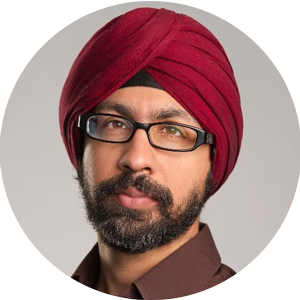 Punit Soni 是前谷歌员工,他于 2015 年加入 Flipkart 担任首席产品官,并于去年离职创办了自己的投资者支持的企业 Learning Motors,他进一步阐述道:“我认为这很合乎逻辑。 Flipkart 是已成立的最大的互联网公司之一。 目前它有超过 30,000 人在工作,它吸引了特定类型的工程师和特定类型的产品人员。 你知道,当他们开始时,它是该国的下一代公司,无论是吸引的种类还是吸引的人数。 它吸引了最多的人,因此,你可以预期会有大量的公司出来。”
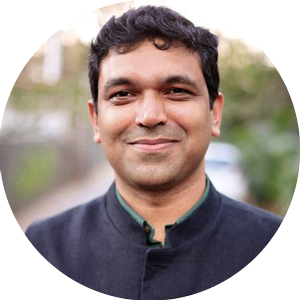 Blume Ventures 的 Karthik Reddy 也有类似的想法,他是 Exotel 和 Runnr 的投资者,后者是 Flipkart 黑手党的一部分。 他说:“良好的生态系统是通过循环建立起来的,而我们几乎没有完成第一个完整的循环。 2005 年前的初创公司是早期的冠军,但 2010 年后的步伐和狂热是未来十年的标兵。 较大的公司或规模较大的初创公司显然是新初创公司出现的最大游乐场和训练场。 因此,Flipkart 催生了大量初创公司,这并不奇怪。”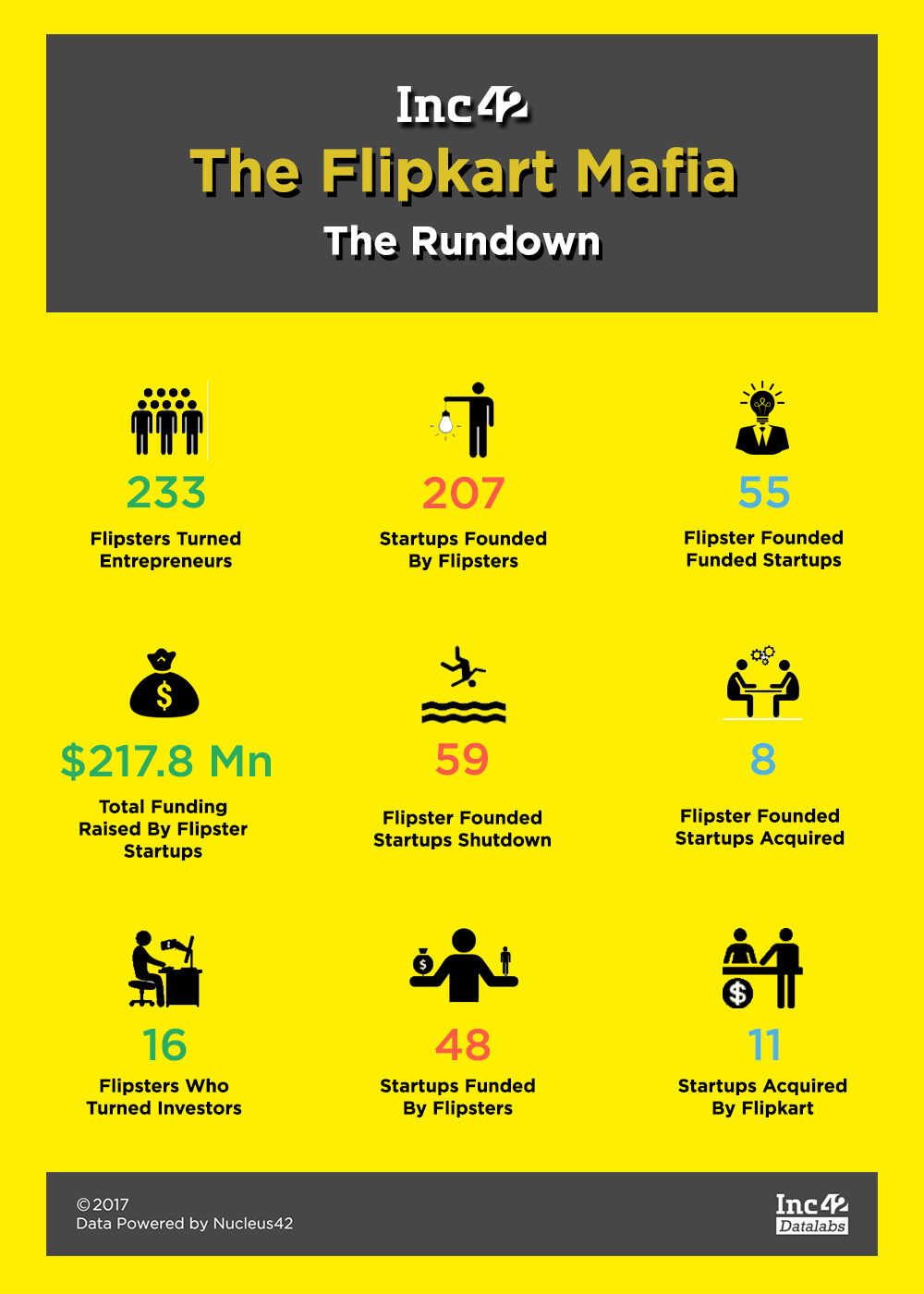


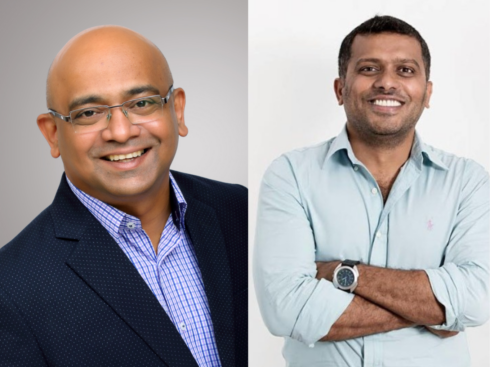


 而对于今年进入 YCombinator 的 Playment创始人 Siddharth Mall 来说,对于 Flipkart 的前高级业务分析师来说,他在 Flipkart 期间的主要收获是“忙碌的力量。 令人难以置信的是,通过多走一英里可以取得多少成就。 事实上,这就是区分获胜者的原因。 其次,以客户为中心的重要性。 我们经常忘记不断与用户交谈是多么重要,看看你是否为他们的日常生活增加了价值,如果产品真的产生了预期的影响,然后迭代和改进。
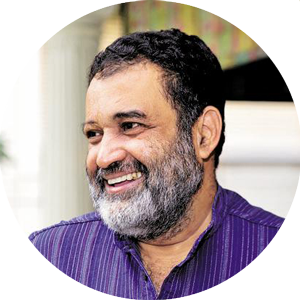 对于 Mohandas Pai 来说,“正确的曝光有助于他们了解业务、有洞察力并且可以避免陷阱。 作为内部人士,他们可以发现创业机会。”
 Another Flipster, Rajeev Tamhankar’s entrepreneurial journey started with INR 1 Lakh raised via crowdfunding, primarily from his colleagues at Flipkart. For him, the culture at Flipkart was somewhat like “Startups in a startup!” He says, “It's a very upfront culture, a graduate like me got a chance to work on 35 different verticals. The team has been very supportive of fresh ideas. Many companies do not support an employee's initiative but being at Flipkart was an exception.” He founded TBS Planet Comics and also wrote a book “Get Corporated Before You Get Fired.” Rajeev was Manager at Flipkart during July 2014 to July 2015.
 对此,Mekin 说,“鉴于许多 Flipkart 人的成功归功于公司的迅速崛起,他们是初创公司的信徒——我预计天使投资的趋势只会继续并增长。 随着 Flipkart 的成功为其员工和创始人创造了更多价值——他们将把其中很大一部分投资于初创公司。”